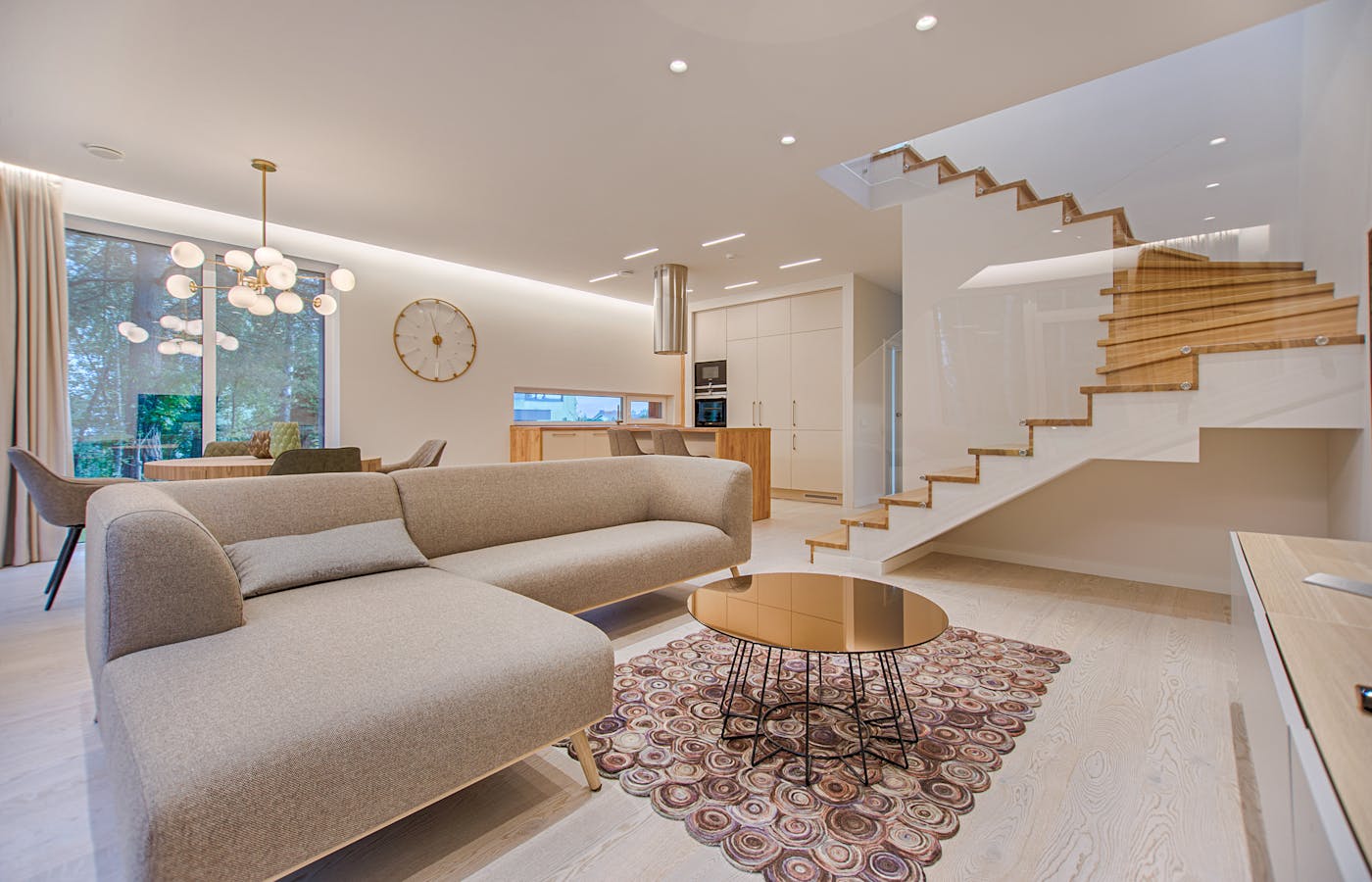
How to use this guide
ThaiPlot is a property marketplace. This page fills gaps buyers and long-stay residents search for most: cost of living, taxes, banking, schools and driving — topics that were not yet live as their own guide.
Figures are indicative in Thai baht and differ by city (Bangkok ≠ Hua Hin ≠ islands). FX, inflation and school fees change. Always confirm with banks, the Revenue Department, schools or DLT.
Combine with our guides on visas, health, paperwork, transport and buying land. For official checks: Revenue Department, Bank of Thailand, DLT and school sites.
Cost of living

Comfortable living can be cheaper than Western Europe — luxury expat style is not automatically cheap.
Big items: housing (rent or condo/villa upkeep + service), food (street vs international), transport (Grab vs own car), health insurance, school fees, and trips home.
Hua Hin / Cha-am / Pranburi: often calmer and cheaper than central Bangkok or Phuket hotspots, but international goods and schools still price at “expat rates”.
Build a buffer for visa extensions, medical surprises, air-con repairs in hot season, and baht swings vs euro/dollar.
- Studio/1-bed condo rent outside central Bangkok: often ฿15,000–฿40,000+/month depending on location
- Pool villa: rent or owner costs + garden/pool upkeep add up fast
- Eating local: cheap daily; Western groceries and wine: noticeably pricier
- Utilities: air-con is the electricity hog — budget power realistically
- Health insurance: see our health guide — often the biggest “hidden” annual cost
- SIM/data, gym, golf, household help: optional but common in expat budgets
Taxes for foreigners (high level)

Not a substitute for a tax adviser — a map of the terrain.
Thai income tax, withholding, VAT-style charges and local property-related fees (where applicable) are separate worlds. Whether you are tax-resident in Thailand depends on days present, income types, home-country treaties and current Revenue Department rules.
On property: transfer fees, specific business tax or stamp duty, withholding on sale/transfer — see also our buying guide. Under-declaring values to cut tax is illegal and risky later.
Pensions, rental income, crypto, remote work and company profits can be treated differently. Rules and enforcement evolve — check current RD guidance and a licensed Thai + home-country adviser.
Official starting point: Revenue Department (rd.go.th) for tax ID (where needed) and filing information. ThaiPlot does not give tax advice.
- Ask whether you need a tax ID before setting up Thai structures or rental income
- Keep all land-transfer and rental receipts
- Check double-tax treaties with your passport country
- Thai company structures: annual compliance is not a “paperwork trick”
- When unsure: Thai CPA/lawyer + home-country adviser — not Facebook groups alone
Bank accounts & money

An account opens doors — but banks choose whom they onboard.
Major banks (Bangkok Bank, Kasikorn, SCB, Krungsri/BAY, Krungthai and others) vary by branch in how easily they help foreigners. Long-stay visa, address proof (yellow book), phone number and sometimes an introduction letter or employer/lawyer help.
Tourists often cannot open a full account. Retirement or Non-Immigrant status makes it more realistic. Bring passport, visa/extension, TM30/address proof and sometimes home-bank letters.
PromptPay, mobile banking and QR payments are standard. International transfers: watch FX, limits and AML questions. Large property payments: prefer traceable bank transfers over cash.
Visa financial rules (deposits, monthly income) are Immigration rules — not the same as “having an account”. Align bank letters with current Immigration requirements (see retirement visa guide).
- Ask which branch onboards foreigners before you queue
- Enable app banking and 2FA; do not store PINs in your phone case
- Compare FX on large transfers (bank vs specialist services)
- Rent/purchase: always get an official receipt
- Dormant accounts / expired visas: banks may restrict access — plan extensions
Schools & education

International schools are a lifestyle — and budget — choice.
Expat families often choose international schools (British, IB, American curriculum) in Bangkok, Phuket, Chiang Mai, Hua Hin and other hubs. Tuition, enrollment and bus fees are high versus local Thai schools.
Thai government schools and bilingual programmes are cheaper but usually need strong Thai and a different rhythm. Some families mix: early years local, later international.
Around Hua Hin / Cha-am, international options affect property demand (families want short school runs). Visit schools, check accreditation, waitlists and what is “all-in” (uniform, lunch, trips).
Homeschooling / online curricula exist in niches but have visa and oversight frameworks — check current rules before building on them.
- Budget: annual tuition + enrollment + transport + activities
- Location vs home = daily traffic or calm
- Language: English vs Thai vs bilingual — friends and onward study
- Special needs / extra support: ask explicitly about capacity
- School calendar (northern vs tropical) affects trips to Europe
Driving in Thailand
Left-hand traffic, bikes everywhere, and paperwork that matches.
You drive on the left. Scooters filter between cars; European courtesy is often missing. Speed on provincial roads + rain + weak markings = risk. See also our transport guide for modes and accident context.
Licence: for long stays a Thai licence via DLT is usually the right path (exchange or test). An International Driving Permit alone is not a long-term resident solution. Details: paperwork guide (DLT, exams).
Car hire: known brands, check full insurance + excess, and whether your licence is accepted. Motorcycle/scooter: statistically risky — helmet, sober, experience, insurance without bike exclusions.
Parking, Bangkok-area tolls, and alcohol checks are real. After a crash: safety, 1669/191, document, call insurer — see transport and health guides.
- Never drink and drive
- Helmet on motorcycle/scooter — including as passenger
- Night + rain: prefer Grab/taxi
- Child seats where possible
- Keep digital + paper copies of licence and insurance
Example budget layers (indicative)

Not a promise — a sense of monthly order-of-magnitude for one household, excluding school fees and major medical surprises.
Lean local
Local food, modest rent/condo, little Grab, limited nightlife. Often workable for frugal singles/couples outside the priciest districts — as long as health insurance is not “forgotten”.
Comfort expat
Good condo/villa rent or owner costs, mix of local/Western food, Grab plus occasional domestic trips, solid insurance. Typical “long-stay comfort” in Hua Hin / similar towns.
Family + school
International school fees dominate the year. Home closer to school, larger car or driver, higher medical cover. Plan this before buying a remote plot.
Property owner
Beyond living costs: maintenance, garden/pool, common fees, periodic taxes/fees, vacancy risk if renting. Purchase price ≠ total cost of ownership.
Official starting points
Always verify the .go.th domain. ThaiPlot is not affiliated with these agencies.
Checklist before you plan “forever”
- Monthly baht budget including insurance and trips home
- Visa path + bank letters / deposits lined up
- Schools visited (or consciously no children relocating)
- Driving strategy: Thai licence vs Grab-first
- Tax question raised with advisers (Thai + home country)
- Emergency fund for medical/visa surprises
- Property: total ownership costs, not only price per sqm
FAQ
- Is Thailand cheap to live in?
- Local living can be affordable. Expat comfort, international schools and solid health insurance quickly push costs toward Western European levels — sometimes higher on specific items.
- Do I have to pay tax in Thailand?
- It depends on your situation, stay and income types. Use the Revenue Department and a qualified adviser — not a generic blog promise.
- Can I open a bank account as a tourist?
- Usually difficult to impossible at major banks. Long-stay documents improve your odds a lot; policy varies by branch.
- Are there international schools outside Bangkok?
- Yes, in several hubs including the wider Hua Hin area. Capacity, fees and curriculum differ — visit and compare.
- Do I need a Thai driving licence?
- For residents, usually yes over time. See the paperwork guide (DLT) and transport guide for motorcycle/scooter risks.
General information only — not tax, legal, financial, education or safety advice. Rules, fees and bank policies change. Confirm with official agencies and licensed professionals. ThaiPlot is a marketplace.
Further reading — current updates
Related guides on ThaiPlot
The information on this site is for general informational purposes only and does not constitute legal, financial, tax, medical or lifestyle advice. Always seek independent professional advice before property transactions or health decisions in Thailand. → Read our full disclaimer