
Why health planning matters if you live or buy in Thailand
Thailand has excellent private hospitals in Bangkok, Phuket, Chiang Mai, Hua Hin and other hubs — and more basic public care outside major cities. Quality and price vary widely. Planning health cover is as important as choosing a visa or a Chanote plot.
This guide is for expats, retirees, long-stay visitors and property buyers who search for terms like health insurance Thailand, medical costs Thailand, accident cover Thailand, pharmacies and OTC medicine. It explains the system in plain language so you can ask better questions of insurers and doctors.
ThaiPlot is a property marketplace, not a clinic or insurer. Rules, prices and policy wording change. Always confirm with hospitals, licensed insurers and your doctor.
How the Thai medical system works for foreigners
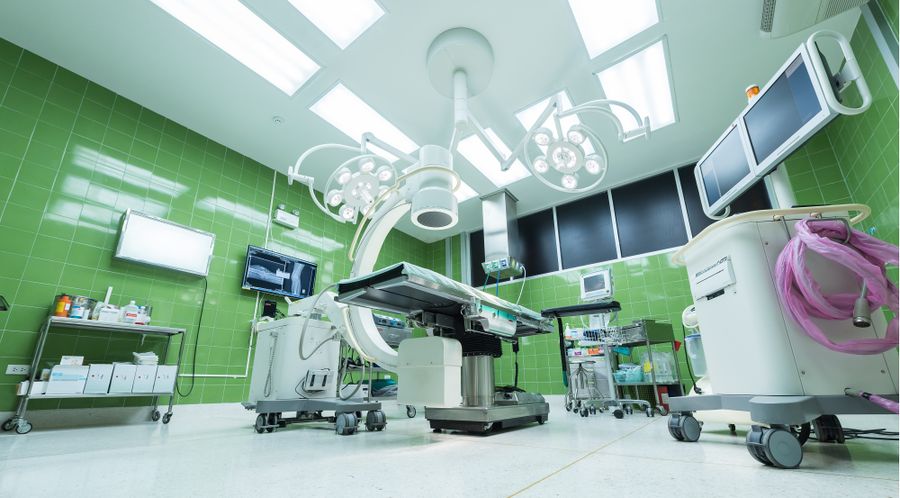
Private hospitals (Bumrungrad, Bangkok Hospital, Samitivej, Bangkok Hospital Hua Hin, and many provincial private clinics) are where most foreigners go. English is common in large centres; smaller towns may need a Thai speaker or LINE translator.
Public hospitals and universal coverage schemes primarily serve Thai citizens and registered workers. Tourists and most visa holders pay out of pocket or via private insurance at private facilities.
Many hospitals ask for a deposit or guarantee letter from your insurer before elective treatment. Keep passport, visa pages, policy number and emergency contacts in your phone and a paper copy.
Telemedicine and hospital apps are growing, but serious accidents still mean go to the nearest capable ER — preferably a private hospital with an ICU if you can reach one safely.
Typical medical costs (indicative only)

Figures below are rough ballparks in Thai baht for private care in popular expat areas. Exact quotes depend on hospital, city and case severity. Always ask for a cost estimate.
- GP / walk-in clinic visit: often ฿800–฿2,500 before labs
- Basic blood panel: roughly ฿1,500–฿5,000
- ER visit for a minor accident: commonly ฿3,000–฿15,000+
- Overnight ward stay: can start around ฿8,000–฿25,000 per night before procedures
- Major surgery, ICU or trauma: easily ฿100,000–฿1,000,000+ — this is why worldwide or IPMI cover matters
- Dental cleaning: often cheaper than in Western Europe; complex implants vary widely
- Ambulance between private hospitals: fees apply; clarify with hospital or insurer
Thai and local health insurance
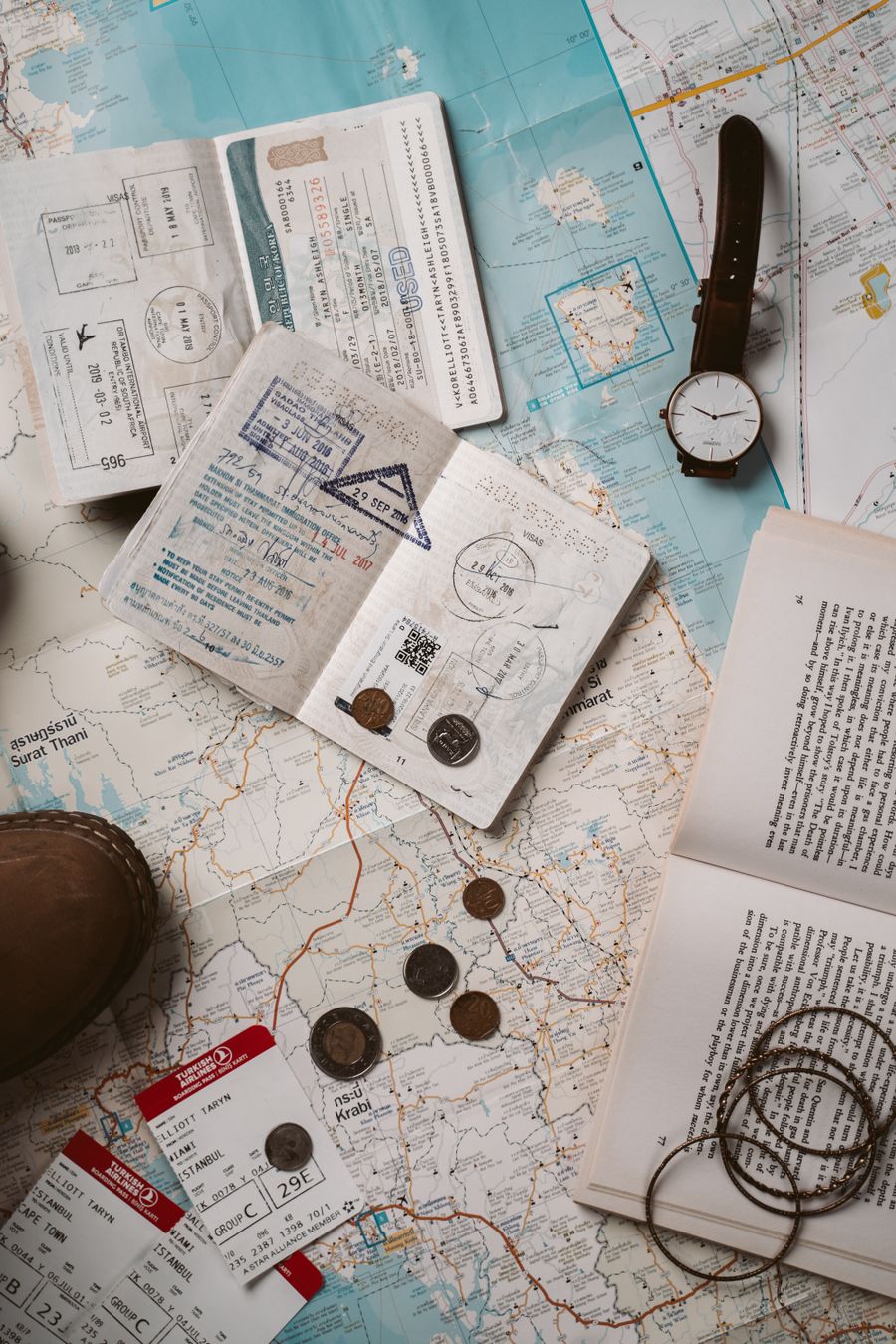
Local Thai health policies can be cheaper for residents who stay most of the year in Thailand. Check waiting periods, age limits, hospital networks and whether accidents (motorbike, water sports) are excluded.
Some retirement or long-stay visas historically required proof of health insurance or bank funds. Requirements change — verify current Immigration rules for your visa type (see our retirement visa guide).
Thai company group plans may cover employees but not spouses or parents unless added. Read exclusions for pre-existing conditions carefully.
Always get the policy schedule in English (or a certified translation) and confirm direct billing at your preferred hospital.
Worldwide / international medical insurance (IPMI)

International Private Medical Insurance (IPMI) and worldwide expat plans (examples of category: Cigna Global, Allianz Care, April International, William Russell, and similar — compare current offers yourself) are designed for people who live outside their passport country.
Look for: inpatient + outpatient, evacuation/repatriation, accident cover, maternity if relevant, dental options, and coverage while travelling outside Thailand. Ask whether Thailand is in the highest cost region and how that affects premiums.
Travel insurance is not the same as long-term health insurance. Short trip policies often cap medical spend and exclude living abroad, chronic conditions or motorcycle accidents without a licence.
Keep a digital wallet with: insurer 24/7 assistance number, membership ID, claim email, and preferred hospital list. Test the assistance line once after you buy the policy.
If you own land or a house in Thailand but still travel to Europe or elsewhere, a worldwide plan often fits better than a Thailand-only policy.
Accidents, emergencies and what to do
Road accidents (especially motorbikes) are a common cause of serious injury for foreigners. Wear a helmet, avoid night riding on unfamiliar roads, and check whether your policy covers riding as driver or passenger.
In an emergency dial 1669 for medical emergency services in Thailand (confirm locally — numbers can be promoted differently by province). Large private hospitals also run their own ambulance lines.
Tell staff your insurance status early. Without cover, you may need cash, card or a large deposit. Friends or agents sometimes help with translation and payment logistics — plan this before you need it.
After an accident: photograph the scene if safe, keep medical reports and receipts for claims, and notify your insurer within the policy deadline (often 24–48 hours for hospitalisation).
Water, heat and construction sites around property projects also cause accidents. Basic first-aid kits, tetanus status and sun/hydration discipline matter when you visit land plots.
Prescriptions and ongoing medication

Bring a letter from your home doctor listing active prescriptions, doses and generic names. Thai pharmacies and hospital doctors recognise many international brand and generic names.
Some medicines that require a prescription in Europe are easier to obtain in Thailand — and some controlled drugs are harder or illegal. Never assume; ask a licensed pharmacist or hospital doctor.
If you take blood pressure, thyroid, diabetes, anticoagulant or psychiatric medication, arrange enough supply for the first weeks and book a local specialist follow-up so refills are legal and continuous.
Keep medicines in original packaging with your name when flying. Declare large quantities if asked by customs.
Over-the-counter (OTC) and pharmacy-shelf medicine

Thailand has a wide pharmacy culture. Many mild symptoms are treated with OTC products without a hospital visit — but that does not mean everything is safe or ‘free’.
- Paracetamol, oral rehydration salts, basic antacids and many topical creams are widely available
- Antibiotics are not ‘free OTC’ in a responsible sense — misuse drives resistance; get medical advice for infections
- Allergy tablets, motion sickness and diarrhoea remedies are common on shelves; check ingredients if you have heart, kidney or pregnancy constraints
- Traditional Thai herbal products exist alongside modern brands — quality and interactions vary; tell your doctor what you take
- ‘Free’ samples or promotions are marketing, not a healthcare entitlement — budget for pharmacy costs like any household expense
- When in doubt, pay for a quick private clinic consult rather than self-medicating for chest pain, high fever, severe allergy or head injury
Pharmacies and how to use them
Chain pharmacies (Boots, Fascino, and hospital retail pharmacies) and independent chemists are everywhere in towns. Hospital pharmacies are best for specialist scripts after a consult.
Pharmacists can often suggest OTC options and may speak basic English in tourist and expat areas. Show packaging photos of your usual medicine.
Prices for generics are often lower than in Western Europe. Compare two pharmacies for long-term meds.
Store medicines away from heat and humidity — air-con rooms beat hot cars and beach bags.
Practical checklist before you go or settle
- Buy suitable insurance before you need care — travel vs long-stay vs worldwide IPMI
- Save hospital GPS pins for your area (e.g. Hua Hin, Bangkok, Phuket)
- Save insurer assistance number and policy ID offline
- Pack a small kit: plasters, antiseptic, ORS, personal meds, insect repellent
- Know your blood type and allergies; store in phone medical ID
- Plan who can help translate or transfer money in an emergency
- Review drinking-water hygiene (see our drinking-water guide) to reduce avoidable stomach illness
- Re-read your visa insurance requirements if applying for long-stay status
FAQ — health & accidents Thailand
- Is healthcare in Thailand good for foreigners?
- Private hospitals in major cities and resort hubs are often excellent and used by medical tourists. Rural public hospitals vary. Match your insurance and expected care level to where you live.
- Do I need worldwide health insurance to live in Thailand?
- Not always legally required for every visa, but strongly recommended. Local policies can work if you stay in-country; worldwide/IPMI plans help if you travel home often or want higher limits and evacuation.
- Are medicines free over the counter in Thailand?
- No — OTC products are usually paid retail items. Many mild remedies are sold without a prescription, but that is not the same as free public medicine. Antibiotics and controlled drugs need professional judgment.
- What happens if I have a traffic accident without insurance?
- You typically pay hospital deposits and bills yourself. Serious trauma costs escalate quickly. Insurers and assistance lines exist to arrange payment guarantees — arrange cover before you ride or drive.
- Can I use European prescriptions in Thailand?
- A foreign script helps a Thai doctor understand your history, but local prescribing rules apply. Expect a consult for ongoing refill of many medicines.
- Does ThaiPlot sell insurance or medical advice?
- No. ThaiPlot lists property and publishes independent practical guides. For policies and treatment, use licensed insurers and qualified clinicians.
Informational only — not medical, legal or insurance advice. Costs and cover change. Confirm with hospitals, licensed insurers and your doctor before you travel, retire or buy property in Thailand.
Further reading — current updates
Related guides on ThaiPlot
The information on this site is for general informational purposes only and does not constitute legal, financial, tax, medical or lifestyle advice. Always seek independent professional advice before property transactions or health decisions in Thailand. → Läs vår fullständiga ansvarsfriskrivning