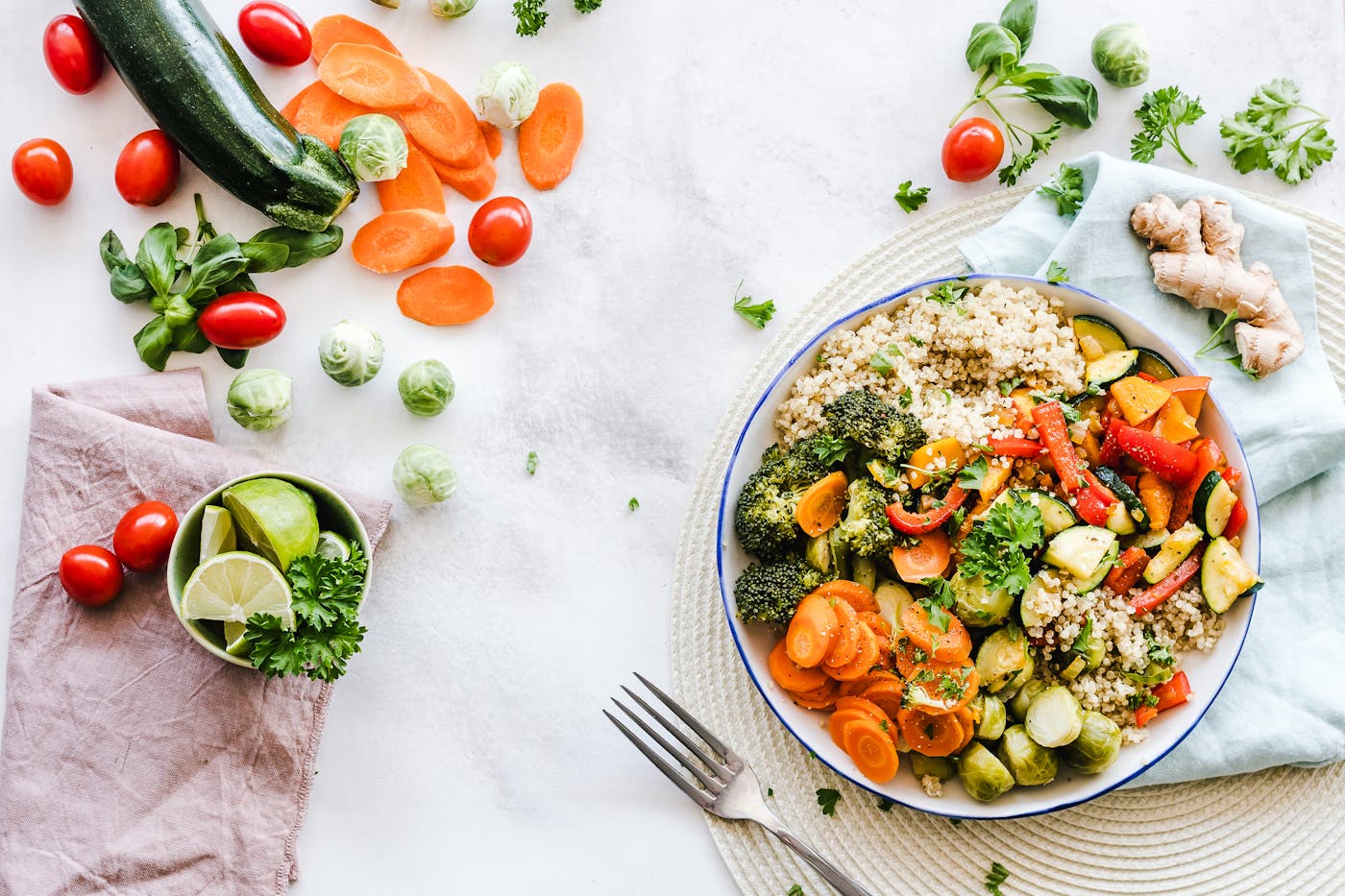
The delicious side
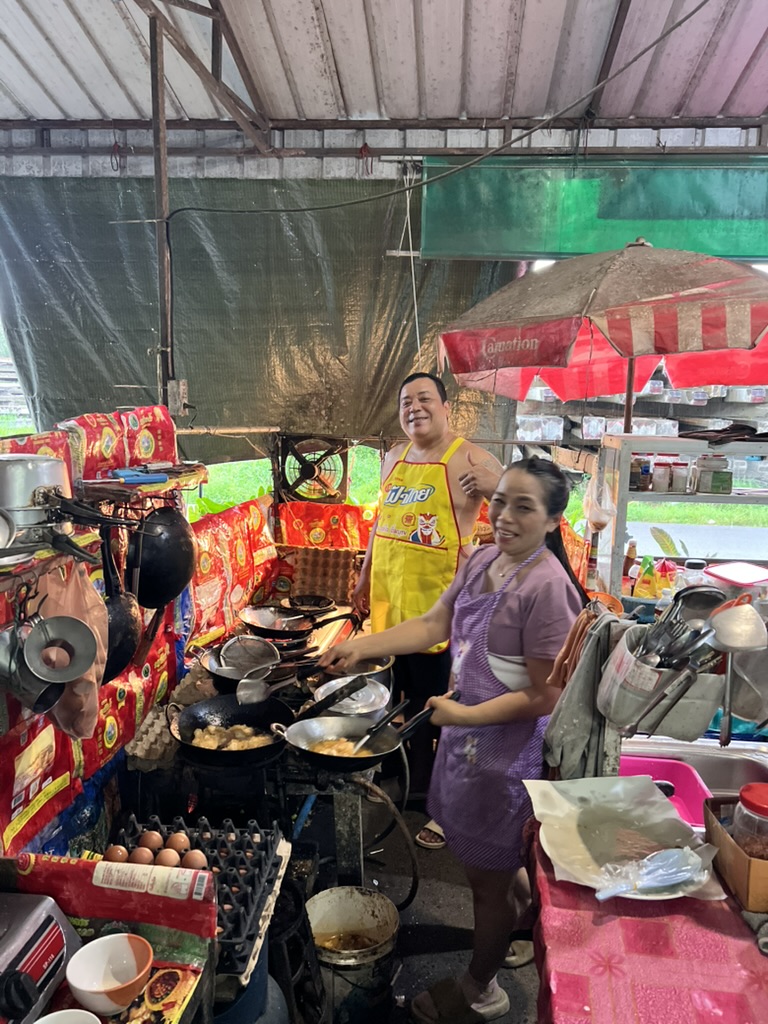
Thai food is one of the best reasons to visit or live here: fragrant herbs, lime, chilli, coconut, grilled seafood, northern sausages, Isaan salads, southern curries and endless noodle bowls.
Street food and markets are part of daily life. Fresh stir-fries cooked in front of you, fruit smoothies, mango sticky rice, boat noodles, khao soi, som tum and grilled chicken are easy wins when stalls look busy and clean.
Hua Hin, Bangkok, Chiang Mai, Phuket and smaller towns all have strong local scenes. Follow the lunch rush — high turnover usually means fresher oil and ingredients.
Street food — the daily food system
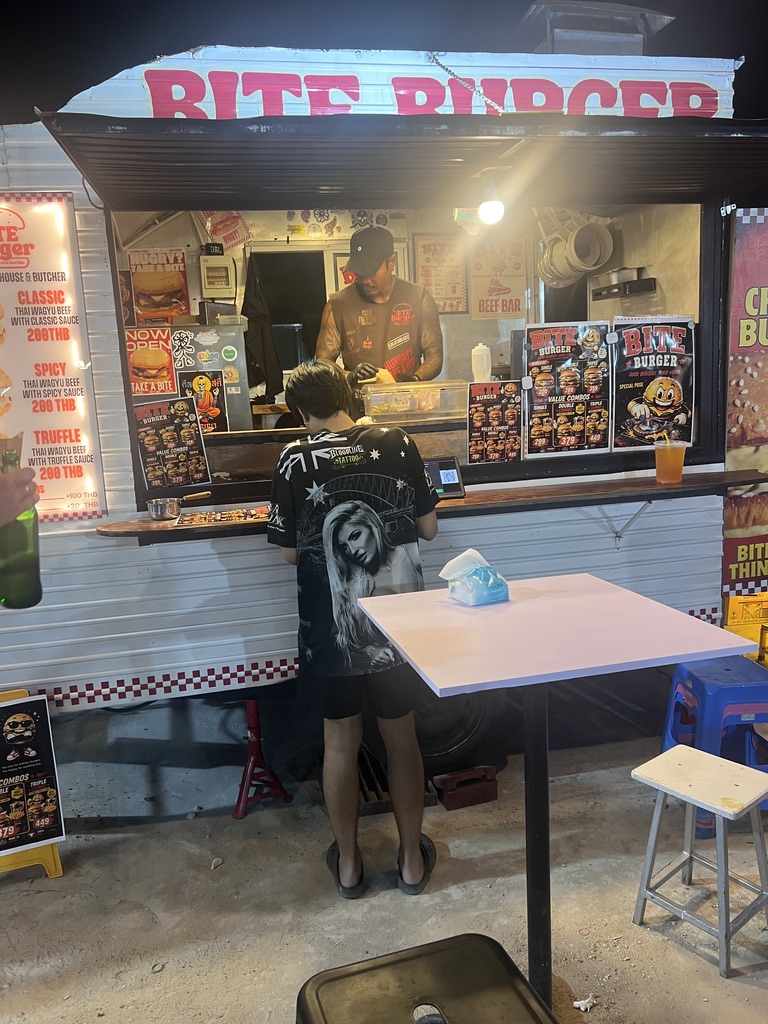
Street food is not a tourist sideshow in Thailand — it is how millions of people actually eat. Breakfast, lunch and late-night snacks come from carts, night markets and small stalls more often than from sit-down restaurants.
What works well: busy stalls, food cooked to order, ingredients you can see, and sauces that look fresh. What to skip: trays that have sat warm for hours, raw seafood in heat, and places with no queue when everything else is packed.
Modern street food mixes classic dishes with fusion — Thai wagyu burgers, grilled skewers, wok noodles and fruit. Prices stay accessible compared with Western dining; quality varies by neighbourhood, not by city size alone.
7-Eleven, Lotus & everyday convenience food
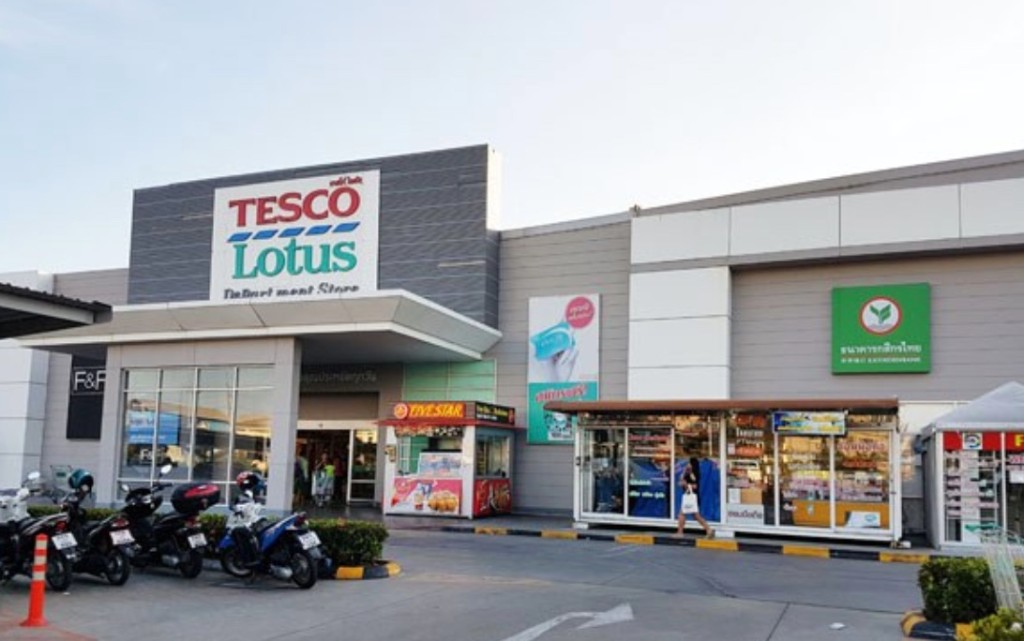
7-Eleven is part of the Thai food landscape: iced coffee, ready meals, snacks, fruit cups and late-night calories on almost every corner. Lotus's / Big C and similar hypermarkets add bakery counters, fried chicken franchises and quick meals at the entrance.
Useful for travellers: sealed water, yoghurt, bananas, instant porridge and microwave trays when you need something predictable. Less useful as a full diet — the shelves lean heavily toward sweet drinks, packaged bakery and processed snacks.
Think of convenience stores as backup, not your main kitchen. Pair them with markets and proper meals so you are not living on sugar and sodium.
Bubble tea culture
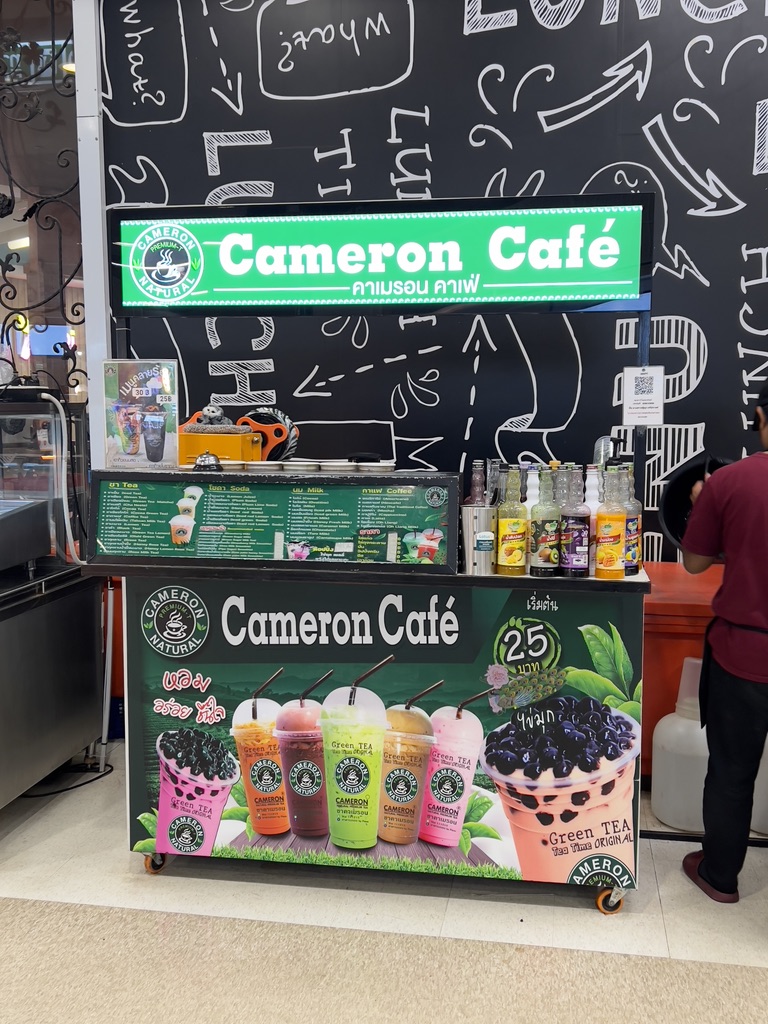
Bubble tea (cha yen pearls, milk tea, fruit tea) is everywhere — malls, night markets and dedicated stalls. Starting prices around ฿25–60 make it an everyday habit, not a treat.
The drink is fun and social. It is also often high in sugar: syrups, condensed milk and tapioca pearls add up quickly if you have two or three a day in the heat.
Practical tip: ask for less sugar (nóoi wǎan / half sugar) or smaller sizes. Many stalls customise sweetness if you ask. Enjoy it — just do not treat it as hydration.
Sugar, soft drinks & rising obesity
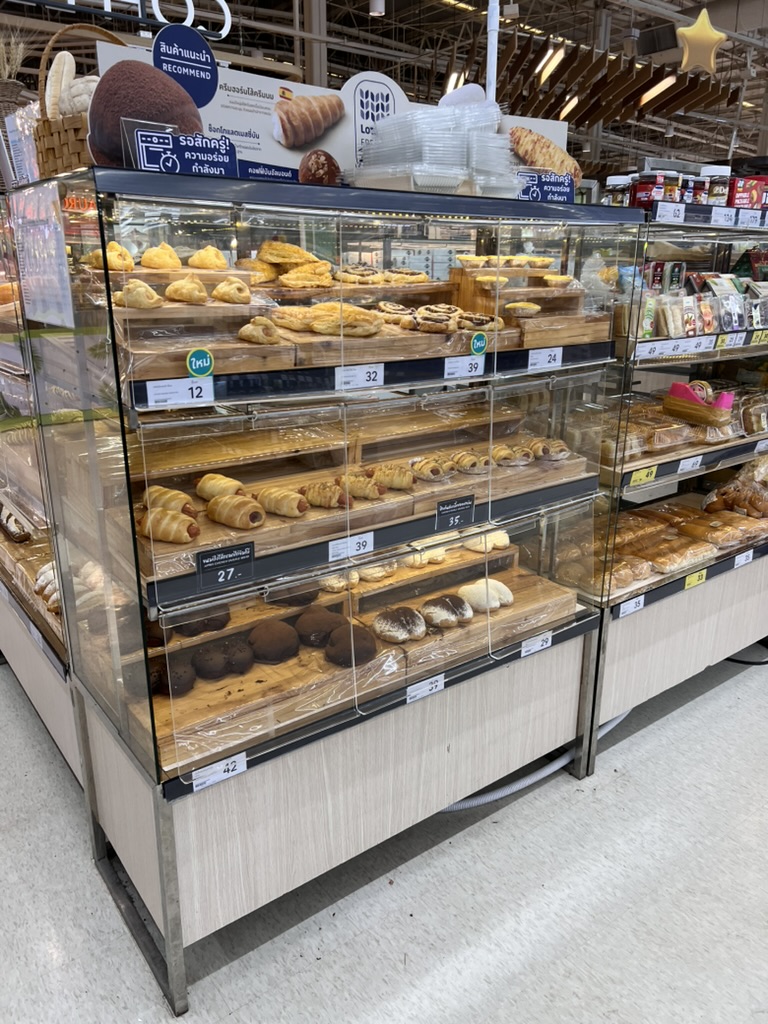
Thailand still has excellent fresh fruit and vegetable cooking — but sugar intake has risen hard through soft drinks, sweet iced teas, bakery aisles, condensed milk and desserts. Urban diets and desk jobs add to the shift.
Public-health data and hospital reports have flagged rising overweight and type-2 diabetes, especially in cities. Expats are not immune: heat makes sugary drinks tempting, and Western bakery culture sits next to Thai sweets in every mall.
You do not need a diet lecture. A simple rule works: water or unsweetened tea as default, fruit over pastries most days, and treat bubble tea / bakery as occasional. Street stir-fries with vegetables are often healthier than the supermarket pastry wall.
Muslim & Buddhist food cultures side by side
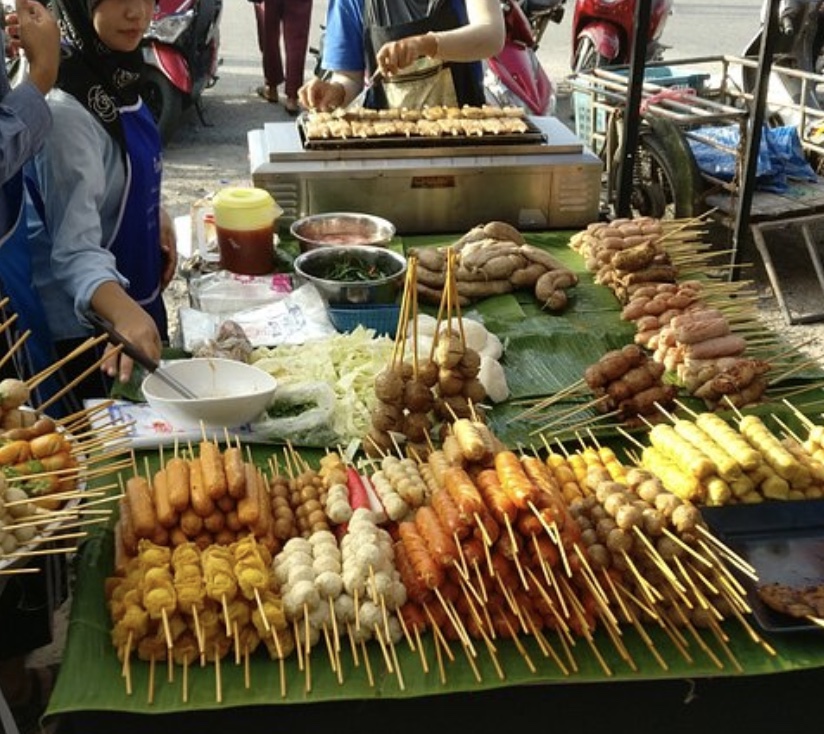
Thailand is majority Theravada Buddhist, with significant Muslim communities — especially in the South, and in markets across the country. Food is one place you see both traditions working in parallel every day.
Buddhist influence shows in jay (เจ) stalls, temple food, merit-making offerings and alcohol-free Buddhist holidays. Many Thais still eat meat regularly; the religious calendar and personal practice vary by person and region.
Muslim vendors are common at skewer stalls, roti shops and southern kitchens. Halal options exist in markets and some malls; look for signage or ask. Pork is central to much Central Thai cooking, so if you avoid it, say so clearly (mâi gin mǒo).
In practice people shop and eat next to each other without drama. Respect fasting periods where relevant (Ramadan), do not push alcohol on those who decline, and treat food rules as personal — not a debate topic at the stall.
Eating on the beach — especially Phuket
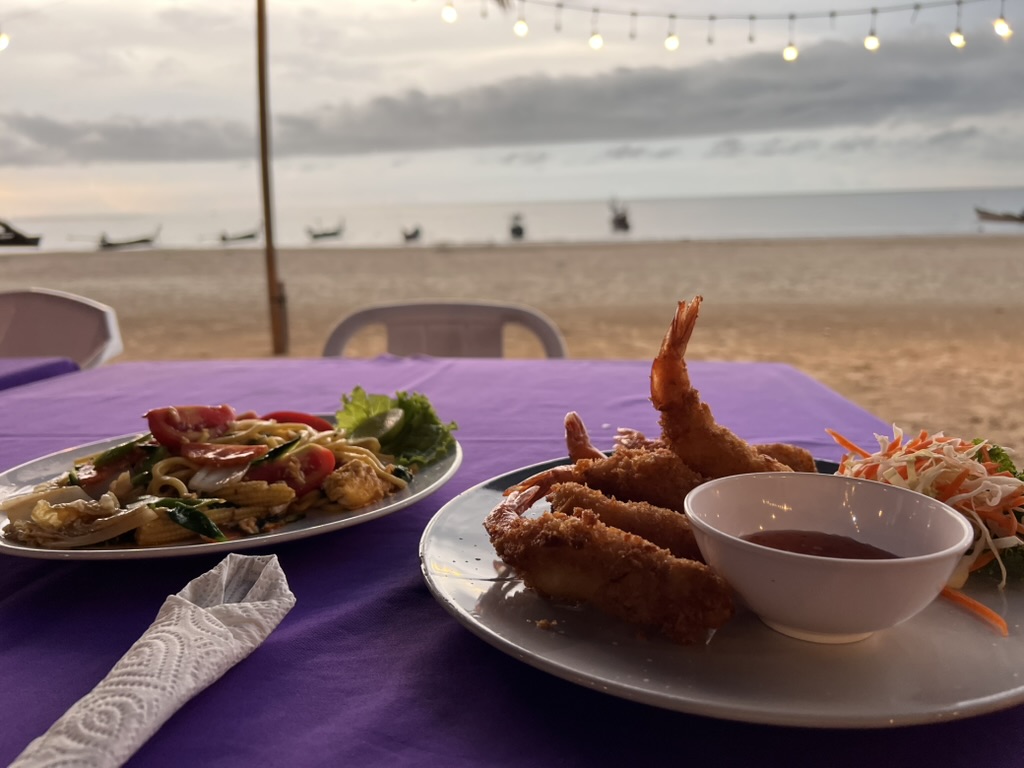
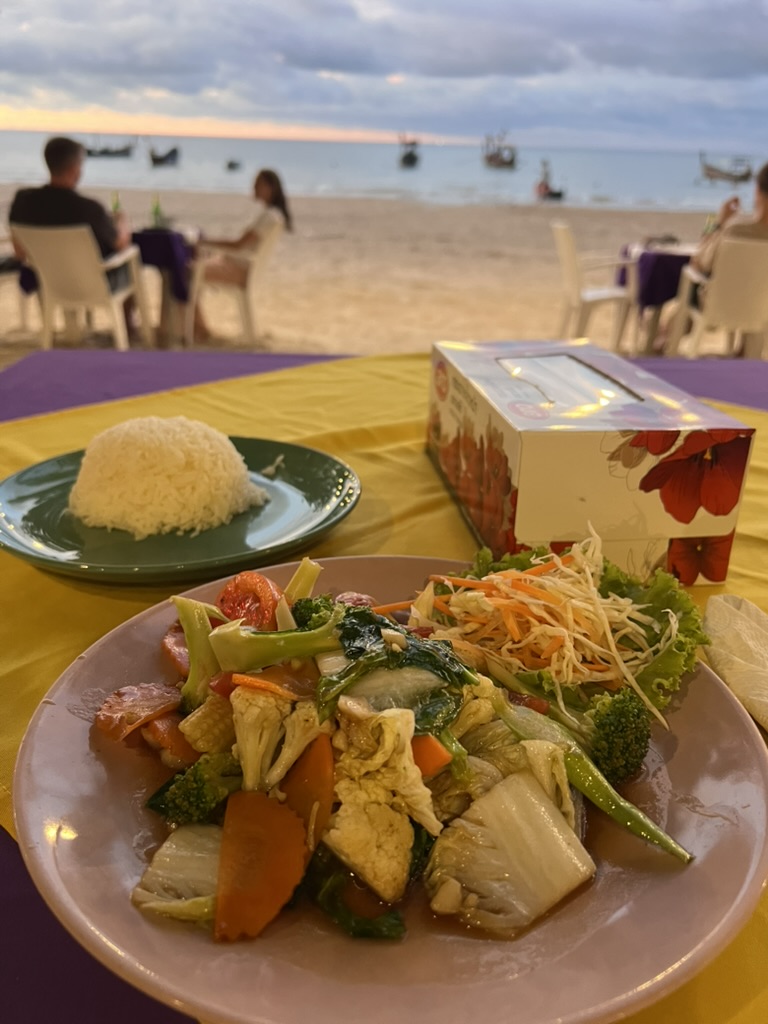
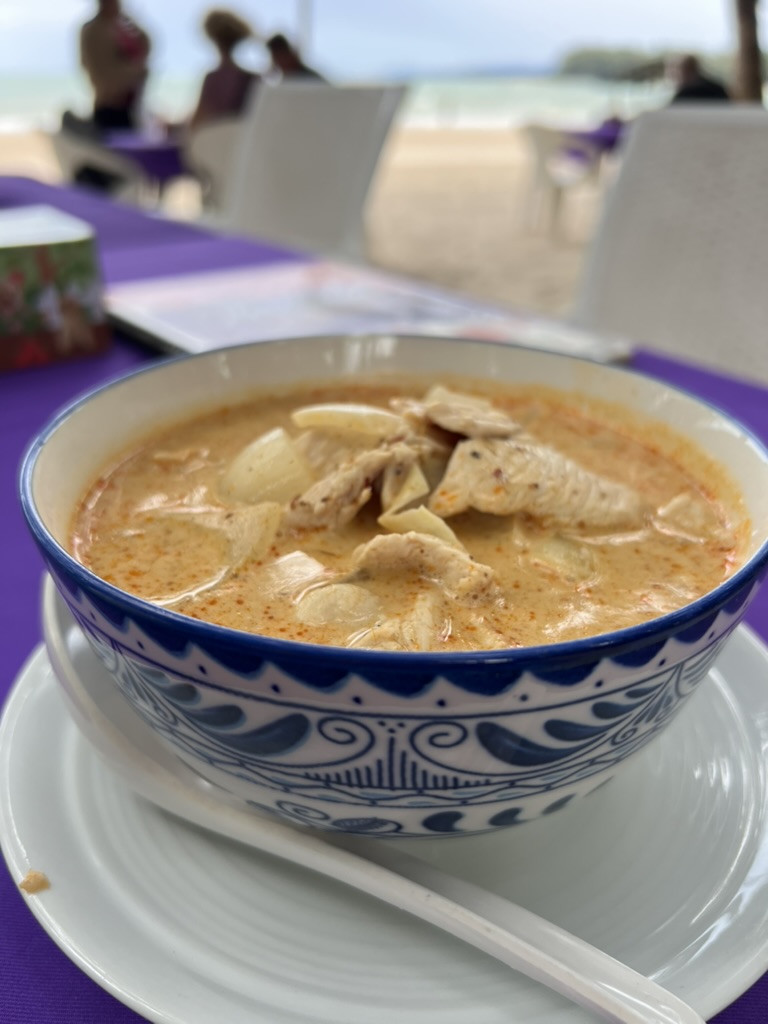
Beach dining is a core Phuket (and Andaman) experience: plastic tables on sand, longtail boats on the horizon, seafood, stir-fried vegetables and coconut soups as the light drops.
Expect tourist mark-ups near the busiest beaches — and better value a short walk inland or at local night markets. Fresh grilled fish, tom kha, pad pak and fried prawns are the classics; ask about the day's catch.
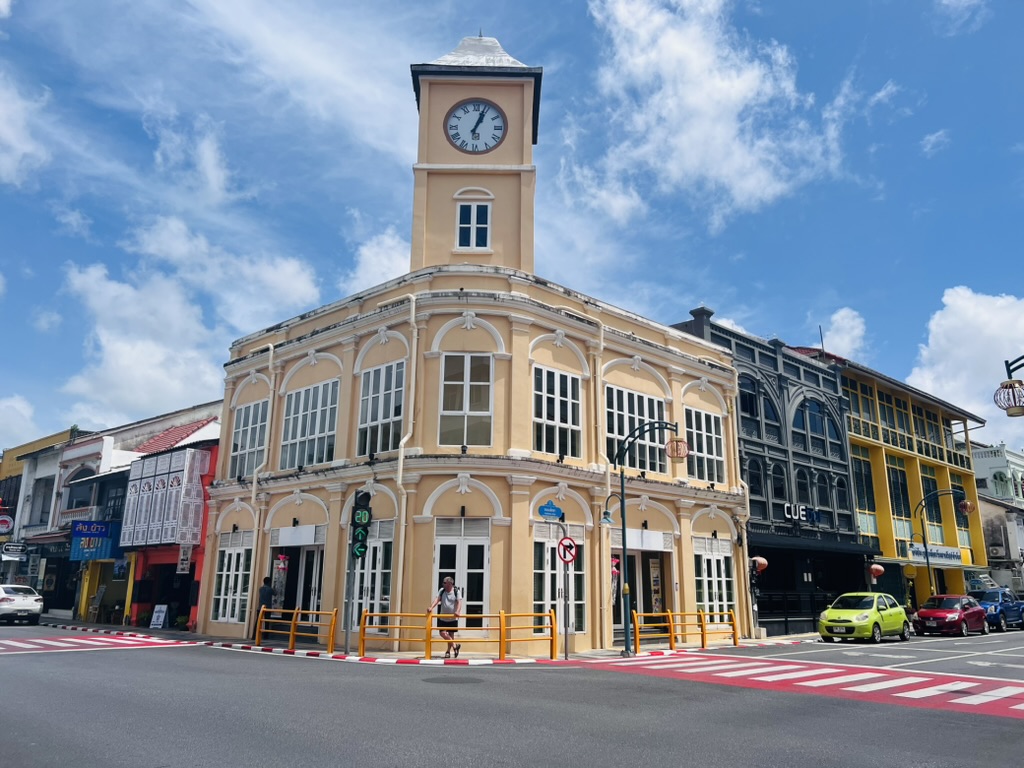
Phuket Old Town adds a different food layer: Sino-Portuguese streets, cafés, and evening markets away from the sand. Combine both — beach lunch, Old Town dinner — for a fuller picture of the island.
Hygiene tip still applies: busy beach restaurants with high turnover beat empty buffets. Bring cash or PromptPay/QR; many sand-side places are informal.

Food risks (keep it practical)
Most travellers eat well and feel fine. Still, a few habits cut the chance of a ruined week:
- Busy stalls with high turnover are usually safer than empty trays sitting in the sun
- Ice is often commercially made and fine in tourist areas — still, skip ice if your stomach is already fragile
- Raw shellfish, undercooked pork and buffet food left warm for hours carry higher risk
- Very spicy food can upset an untrained stomach; ask for mâi pèt (not spicy)
- Peanut, shellfish and soy allergies are common triggers — say it clearly and early
- Tap water is not drinking water; use sealed bottles or treated water (see our drinking-water guide)
- If you get sick: oral rehydration, rest, and a clinic if fever, blood or severe dehydration appears
Vegetarian & vegan options
Thailand is workable for vegetarians, especially in cities and tourist hubs. Look for jay (เจ) restaurants during festivals and year-round in larger towns — often marked with a yellow-and-red logo.
Important nuance: Thai “vegetarian” can still include fish sauce, shrimp paste or oyster sauce unless you say so. “No meat” is not always “no fish sauce”.
Safe bets: tofu stir-fries, vegetable curries made coconut-based without paste from seafood, fruit, rice, and dishes at dedicated jay kitchens. Indian and Western cafés also fill gaps.
Carry the Thai lines below on your phone. Showing the text is often clearer than pronunciation alone.
Gluten-free realities
Rice and rice noodles are naturally gluten-free, which helps. Wheat shows up in soy sauce, some dumpling skins, breaded snacks and bakery items.
Cross-contact in woks and shared oil is common at street stalls. For coeliac disease, prefer kitchens that understand allergies, hotel restaurants, or cook at home when possible.
Say you have a gluten allergy and ask for no wheat flour and no soy sauce with wheat. Confirm sauces — fish sauce is usually gluten-free; many soy sauces are not.
Useful Thai for the restaurant
Show these lines on your phone or practise the romanisation. Staff often appreciate the effort — and the Thai script reduces misunderstandings.
มังสวิรัติ
mang-sa-wi-rat
Vegetarian (formal)
ฉันไม่กินเนื้อ
chǎn mâi gin néua
I don't eat meat
ไม่มีเนื้อ ไม่มีไก่ ไม่มีหมู ไม่มีปลา
mâi mii néua, mâi mii gài, mâi mii mǒo, mâi mii bplaa
No beef, no chicken, no pork, no fish
ไม่มีน้ำปลา
mâi mii nám bplaa
No fish sauce please
ไม่มีกุ้ง ไม่มีปู
mâi mii gûng, mâi mii bpuu
No shrimp, no crab
เจ
jay
Strict vegan Buddhist style (no meat, fish, garlic, onion)
แพ้กลูเตน / ไม่มีแป้งสาลี
páe gluten / mâi mii bpâeng sǎa-lii
Gluten allergy / no wheat flour
ไม่เผ็ด
mâi pèt
Not spicy
เผ็ดน้อย
pèt nói
A little spicy
แพ้อาหารทะเล
páe aa-hǎan tá-lay
Seafood allergy
น้ำเปล่า ไม่ใส่น้ำแข็ง
nám bplào mâi sài nám kǎeng
Plain water, no ice
เช็คบิลครับ / ค่ะ
chék bin khráp / khâ
The bill please (male / female polite ending)
Alcohol — enjoy carefully
Beer, wine and spirits are widely available in restaurants, bars and shops (with local sale-time rules that can vary). Tourism culture can push “one more round” fast.
This is not a sermon — just context: heat, dehydration and strong drinks stack quickly. Pace yourself, drink water, and do not drive or ride after drinking. Thailand enforces drink-driving rules and accidents on scooters are a major risk for foreigners.
Watch for over-service in nightlife areas, spiked drinks in rare scam settings, and cheap unmarked spirits. Stick to sealed bottles and busy, reputable places.
If alcohol is becoming a problem for you or someone you travel with, get help early — local clinics and international helplines exist. ThaiPlot is not a treatment service.
Drugs & cannabis — know the law
Thailand’s rules on cannabis and other drugs have changed in recent years and can keep changing. What you saw on social media is not a legal opinion.
Cannabis is not a free-for-all. Sales, public use, import/export and use around minors can still create legal trouble. Always check current official rules for your province and never take cannabis products through airports or across borders.
Other illicit drugs (including many “party drugs”) carry severe penalties in Thailand. Do not assume tourist status protects you.
We are not the morality police — we are a property marketplace sharing practical safety context. For legal status, follow Thai government announcements and licensed counsel, not a blog tip or a shop sign.
Quick checklist
- Save Thai allergy / vegetarian lines on your phone
- Choose busy food stalls; watch cooking heat and hygiene
- Keep oral rehydration salts in your bag
- Drink safe water; be careful with ice if your stomach is sensitive
- Never drink and ride
- Skip illegal drugs; treat cannabis rules as evolving and local
- Read our drinking-water and health guides if you stay long-term
FAQ — food, drink and nightlife in Thailand
- Is street food safe in Thailand?
- Often yes when turnover is high and food is cooked fresh. Use common sense: heat, cleanliness and busy queues matter more than fancy signs.
- How do I order vegetarian food in Thai?
- Use มังสวิรัติ (mang-sa-wi-rat) and spell out no meat, fish, shrimp or fish sauce. For strict plant-based Buddhist style, look for เจ (jay).
- Can I eat gluten-free easily?
- Rice-based meals help, but sauces and cross-contact are the hard part. For coeliac needs, be explicit and prefer kitchens that understand allergies.
- Is cannabis legal in Thailand?
- The framework has changed and continues to evolve. It is not unrestricted. Check current official rules and never travel with products across borders.
- Does ThaiPlot give medical or legal advice on food and drugs?
- No. This page is general information for travellers and residents. For health or legal questions, use qualified professionals and official sources.
General information only — not medical, nutritional or legal advice. Food safety, allergy risks and drug laws change. Verify with clinics, restaurants and official Thai sources. ThaiPlot lists property and publishes practical guides.
Related guides on ThaiPlot
The information on this site is for general informational purposes only and does not constitute legal, financial, tax, medical or lifestyle advice. Always seek independent professional advice before property transactions or health decisions in Thailand. → อ่านข้อจำกัดความรับผิดชอบฉบับเต็ม · นโยบายความเป็นส่วนตัว